Understanding the Different Types of Electrical Panels

Which One Is Right for You?

The electrical panel is the heart of an electrical system. Every light, receptacle, appliance, HVAC system, water heater, and electrical device you have ultimately receive power from an electrical panel. Whether you're planning a panel upgrade, adding an EV charger, installing a generator connection, or simply trying to understand your existing electrical system, knowing the different types of electrical panels can help you make informed decisions.

In dealing with clients throughout Greensboro, High Point, Winston-Salem, and the remaining Triad North Carolina area, we find that though they've often heard of terms such as main panel, subpanel, main breaker, and main lug, they don't fully understand their meanings or how they affect an electrical system.

The reality is that not all electrical panels are the same. Panels vary in size, capacity, quality, voltage configuration, safety features, and application type. Choosing the right panel involves more than simply replacing an old panel with a new one. It requires considering your current electrical demands, future needs, local code requirements, and electrical system's long-term reliability.

In this guide, we'll explain the most common types of electrical panels, how they differ, when upgrades may be necessary, and what you should consider when selecting a panel for your home or business.

Contact Us

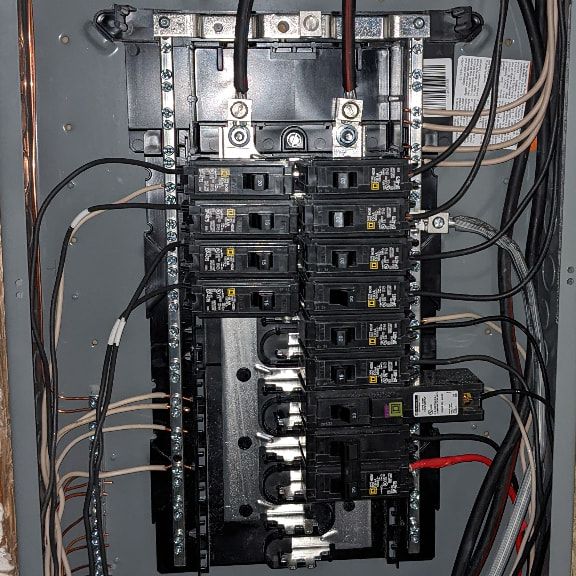
Main Lug Subpanel Close-Up

Main Panels vs. Sub-Panels: Understanding the Difference

A main panel is simply the first distribution panel supplied by the utility service after the meter. By definition, it is the first panel in the electrical system.

A subpanel is any panel supplied from another panel. Once power passes through the first panel, every panel downstream is considered a subpanel. A subpanel is often installed when additional circuit space is needed or when power must be distributed to another area of the property. Common examples include detached garages, workshops, additions, finished basements, outdoor buildings, and large layouts where running every circuit back to the main panel would be impractical.

Another important difference is that modern subpanels are typically fed with four-wire feeders. This allows the neutral conductors and equipment grounding conductors to remain separated within the subpanel. At the main service equipment, the grounding and neutral systems are bonded together. In downstream subpanels, however, they must remain isolated from one another. This design improves safety and helps electrical systems operate as intended.

Main Breaker Electrical Panel Close-Up

Main Breaker Panels vs. Main Lug Panels

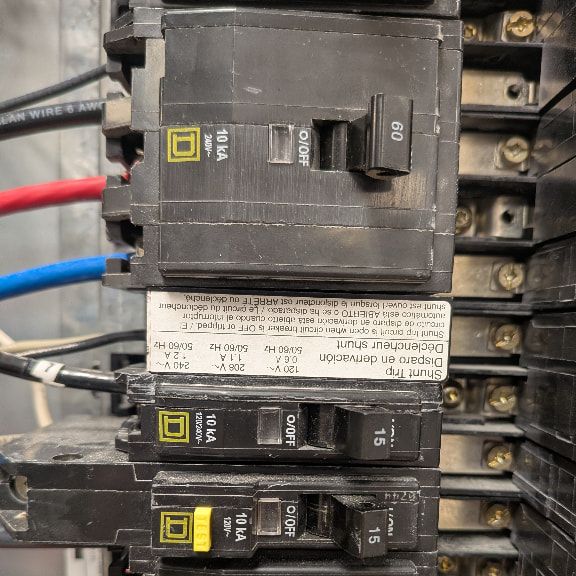
A main breaker panel contains a factory-installed main breaker that can disconnect power to all branch circuits supplied by that panel. The main breaker serves as the primary disconnecting means for the panel and allows power to be shut off to the entire bus assembly from a single location.

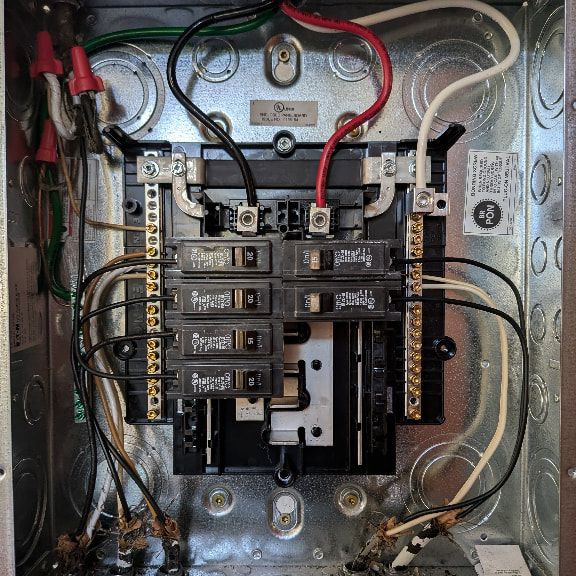
A main lug panel does not contain a factory-installed main breaker. Instead, power is supplied directly to the panel's main lugs, and the disconnecting means is located elsewhere upstream. Main lug panels are commonly used as subpanels because they receive protection from the breaker feeding them in the upstream panel.

Both panel types distribute power to branch circuits throughout a home or building. The primary difference is whether the panel contains its own factory-installed main disconnect or relies on an upstream disconnecting means.

Because a disconnecting means is already provided upstream, many sub-panels are installed as main lug panels rather than main breaker panels. This reduces cost and eliminates an unnecessary component while still allowing the panel to be de-energized from the upstream disconnect.

Indoor vs. Outdoor Electrical Panels

Electrical panels can be installed in either indoor or outdoor environments, depending on the system design, equipment rating, and installation requirements.

Indoor installations are commonly found in garages, basements, utility rooms, mechanical spaces, and other dedicated electrical areas. These installations rely on having a properly designated electrical space that provides required working clearances and safe access for servicing and maintenance. Indoor environments help protect electrical equipment from direct weather exposure, which can reduce wear over time when the installation environment is properly maintained and code-compliant.

Outdoor installations use weather-rated enclosures designed for exposure to rain, heat, humidity, and other environmental conditions. These systems are built to maintain safe operation while allowing electrical service access from the exterior of the structure. Outdoor panel locations are often used where service entrance design, accessibility, or system layout makes exterior installation the most practical option.

Professional Recommendation: From a field perspective, accessibility and emergency service access are key factors in panel location. Outdoor main disconnect locations can provide faster shutdown capability in emergency situations, while indoor installations are often preferred when protected space and proper clearance are available.

Both installation types are commonly used depending on system design and application requirements, and neither is inherently superior when properly installed and maintained.

Three-Phase Electrical Panel Close-Up

Single-Phase vs. Three-Phase Electrical Systems

Electrical panels are designed to operate within different electrical supply systems, and one of the most important distinctions is whether the system is single-phase or three-phase. This difference mainly relates to how power is delivered from the utility and how it is distributed through the panel.

Single-phase power is the standard for most residential and light commercial applications. It typically delivers 120/240 volts and is used to supply everyday household loads such as lighting, outlets, appliances, and HVAC systems. In this setup, power is delivered through two “hot” conductors and a neutral, making it well-suited for typical home electrical demands.

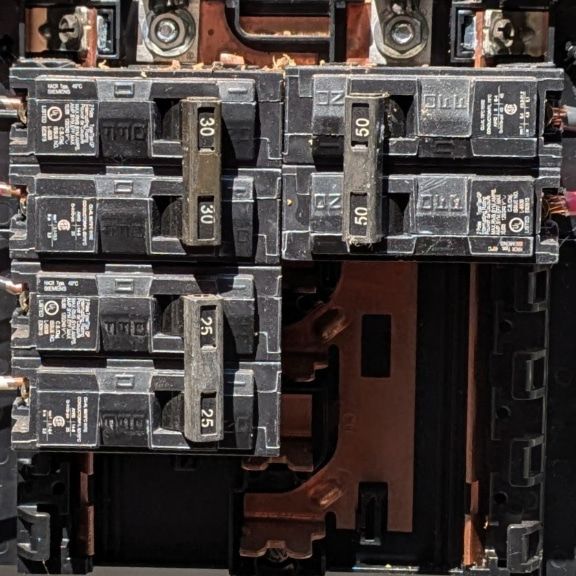
Three-phase power, on the other hand, is primarily used in commercial, industrial, and large motor-load applications. It delivers power more efficiently by using three alternating current waveforms that share the load. Common voltages include 120/208V and 277/480V systems, depending on the application. This type of system is typically found in commercial buildings, manufacturing equipment, large HVAC systems, and heavy machinery where efficiency and balanced load distribution are critical.

While both systems serve the same fundamental purpose, power distribution, their design and application are very different. Single-phase systems are simpler and standard for most homes, while three-phase systems are built for higher efficiency and higher-demand electrical environments.

Electrical Panel with Extra Capacity

Choosing the Right Panel Capacity

Electrical panel capacity is more than just how many breakers a panel can hold. It’s about overall system design, available space, conductor fill, and the ability to safely support both current and future electrical demand.

Beyond today’s needs, most property owners are unaware of how quickly modern electrical loads continue to evolve. Electric vehicle chargers, surge protection devices, and other modern accessories can all require additional breaker spaces and system capacity. Without planning ahead, a panel that is “just enough” at installation can quickly become undersized in a few years.

Proper planning means selecting a panel with adequate room for expansion rather than one that is filled to capacity from day one. When a panel is overcrowded or operating near its maximum conductor fill allowance, it can increase heat buildup, reduce serviceability, and limit future upgrades without major rework.

A properly sized panel improves long-term flexibility, allowing additional circuits to be added without immediately requiring a panel replacement. It also supports cleaner installation practices, better conductor management, and improved overall system organization.

Modern electrical demands continue to increase, and panel design should reflect that reality. Choosing additional capacity upfront is generally more efficient and cost-effective than trying to expand a fully loaded system later.

Copper Bus Bar Electrical Panel Close-Up

Panel Quality Matters More Than Most Property Owners Realize

Panel capacity, available circuit spaces, and allowance for future growth all play a major role when selecting or upgrading an electrical panel. Beyond that, many property owners are unaware of how panel replacement can improve overall energy efficiency and electrical system performance.

A properly constructed electrical panel relies on more than just breaker count or amperage rating. Internal components such as bus bar material, breaker connection design, conductor landing points, and overall build quality all influence how efficiently power is distributed throughout the system. Higher-quality panels typically use heavier-duty bus bars with better conductivity, more consistent breaker engagement, and improved resistance to heat buildup over time. Clean, secure connections at the panel are essential for reducing unnecessary resistance and maintaining stable electrical flow under load.

Not all panels are built to the same standard. Differences in materials, enclosure quality, internal layout, and installation workmanship can significantly affect long-term reliability, serviceability, and overall system performance. Even small issues such as loose terminations or overcrowded conductor landing areas can introduce heat and reduce efficiency over time.

For this reason, many property owners begin researching how panel replacement can improve energy efficiency when evaluating older or underperforming electrical systems.

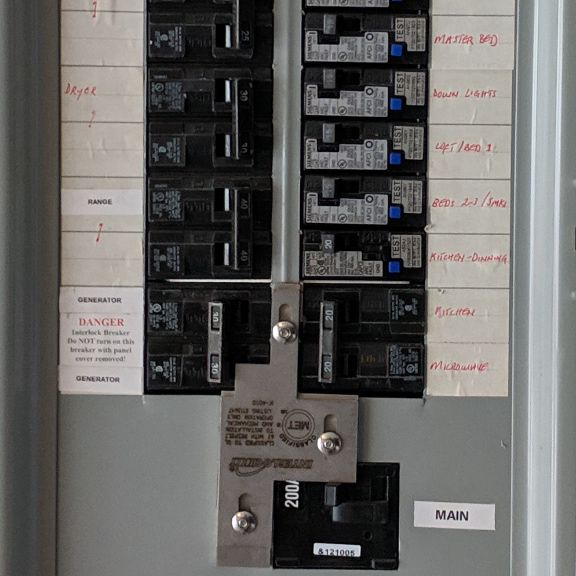
Generator Panel with Interlock Mechanism

Generator-Ready Panels and Other Specialty Options

Modern electrical panels are no longer just basic distribution points, they can also be configured to support specific system functions such as backup power integration and enhanced operational flexibility.

One of the most practical configurations is a generator-ready panel setup. These systems use a mechanical interlock or transfer mechanism that allows a portable generator to safely supply selected circuits during a utility outage. This provides a controlled and code-compliant method of maintaining essential power during temporary interruptions without unsafe backfeeding practices.

These types of panel configurations are focused on system capability and control rather than additional capacity, allowing the electrical system to operate safely under alternate power conditions when needed.

Beyond backup power and configuration-based features, modern electrical systems also rely heavily on built-in protection technologies designed to reduce hazards at the circuit level and protect both equipment and occupants from electrical faults and disturbances.

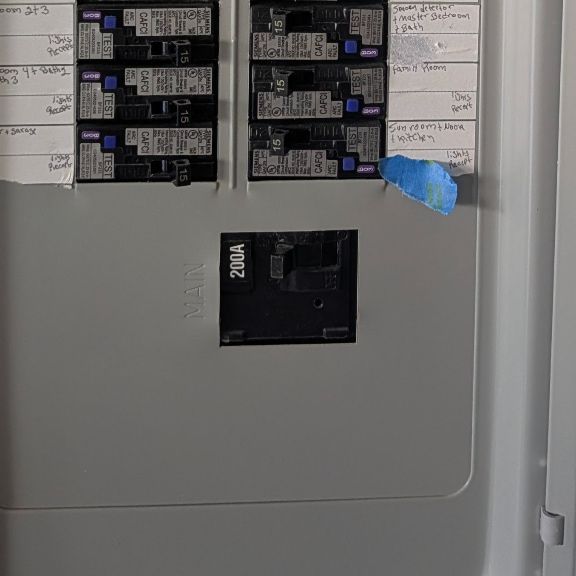
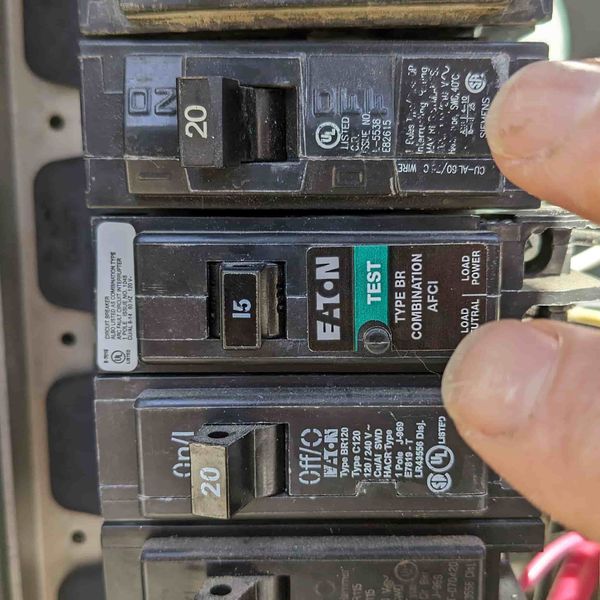
Testing AFCI breaker using built-in test button

Modern Electrical Protection Devices

Modern electrical systems rely on multiple layers of protection designed to reduce electrical hazards, protect equipment, and improve overall system safety.

Two of the most common protective devices found in residential and commercial panels are AFCI (Arc Fault Circuit Interrupter) and GFCI (Ground Fault Circuit Interrupter) breakers. AFCI protection is designed to detect abnormal arcing conditions within wiring that can lead to electrical fires, while GFCI protection is designed to quickly shut off power when a ground fault is detected, helping reduce the risk of electrical shock.

These devices are now widely used in modern electrical installations and are often required by current electrical code depending on the location and application of the circuit.

In addition to AFCI and GFCI protection, many electrical systems also benefit from surge protection devices, which help guard against voltage spikes caused by lightning events, utility switching, or grid disturbances. These devices help reduce the risk of damage to sensitive electronics and appliances throughout the property.

Panel Replacements Often Require Additional Code Upgrades

When a panel replacement or major service upgrade is performed, it often brings the broader electrical system under current code requirements, not just the equipment being replaced. This is because the electrical service is treated as a connected system, including the service entrance, grounding and bonding, and the main distribution equipment.

In many jurisdictions, once a permit is issued for work involving the main service equipment, inspectors may require portions of the installation to be evaluated and brought up to current standards. This can include grounding and bonding methods, service equipment condition, and other related components that are tied directly to system safety and performance.

The intent is not to change functional systems that are operating safely, but to ensure that any work performed on the main service aligns with modern electrical safety requirements and inspection standards. Electrical codes evolve over time, and service upgrades are often the point where older installations are updated to reflect current best practices.

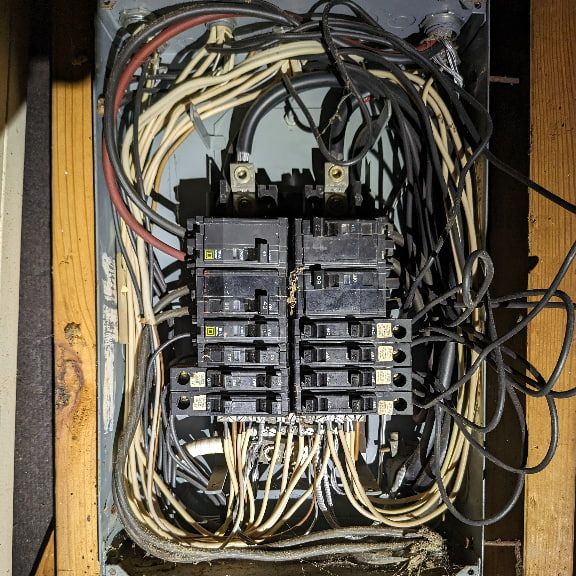
Overfilled Subpanel with Poor Workmanship

When Should You Replace an Electrical Panel?

Electrical panels are designed to last for decades, but their lifespan depends on electrical load, installation quality, and environmental conditions. As systems age or demand increases, performance can decline and safety concerns may develop. One of the most common reasons for replacement is the presence of outdated or known problematic panel types. Certain legacy equipment, such as some Zinsco and Federal Pacific Electric (FPE) Stab-Lok designs, along with older split-bus and fuse-based systems, are widely recognized for reliability and safety concerns and are no longer used in modern installations. When identified, these systems are typically recommended for replacement rather than continued service.

Beyond panel type, warning signs include frequently tripping breakers, breakers that are stiff or difficult to reset, visible signs of overheating such as discoloration or burning odors, or components that feel warm during normal use. When these warning signs appear, it is important to be able to distinguish between normal electrical behavior and potential safety concerns. Additional guidance is available in our recent electrical safety tips guide.

A lack of available breaker spaces or difficulty supporting modern electrical demands such as EV charging equipment can also indicate that a panel is no longer meeting current needs. In many cases, property owners also choose to upgrade proactively when planning renovations or improving system reliability and capacity.

Frequently Asked Questions About Electrical Panels

How long does an electrical panel typically last? Most electrical panels are designed to last 25–40 years, but lifespan depends heavily on electrical demand, installation quality, and environmental conditions. In practice, many panels are replaced not because they fail completely, but because they can no longer safely or efficiently support modern electrical usage.

How do electricians decide if a panel needs to be replaced? It is rarely based on a single issue. The decision typically comes from a combination of factors including available capacity, breaker condition, heat or wear indicators, wiring condition inside the panel, and whether the system can safely support current and future electrical loads. A panel may still function but no longer be appropriate for the way the property is being used.

Are there electrical panels that are typically replaced immediately? Yes. Certain legacy panel designs are widely recognized in the electrical industry as higher risk and are often recommended for replacement when identified. This includes some Zinsco and Federal Pacific Electric (FPE) Stab-Lok systems, as well as older fuse-based and split-bus configurations. These recommendations are based on known reliability and safety concerns under fault conditions.

How do you tell if a breaker is tripped, and how do you reset it? A tripped breaker will often sit in a middle position between ON and OFF, or show a visible indicator depending on the model. Some breakers also include a marking or window that indicates a tripped condition. In some cases, a tripped breaker may appear to be 'ON' by not defaulting to its central position due to light mechanical binding, or environmental factors such as dust or moisture. A slight touch to ensure there's no play in the handle can help to identify a tripped breaker in this situation. To reset a standard breaker, move the handle fully to the 'OFF' position first, then switch it 'ON'. This full reset motion is necessary to properly re-engage the internal mechanism.

Why does a breaker keep tripping even if nothing new was added? Breakers don’t only trip because of new loads. Over time, normal usage can create cumulative electrical demand, and internal breaker wear can reduce reliability. Loose connections, heat buildup, and aging components can also increase resistance in the circuit, leading to nuisance tripping even when usage appears unchanged.

When should you call an electrician instead of troubleshooting the panel yourself? If breakers are tripping repeatedly, the panel feels warm, there are burning odors, or breakers do not stay reset, it is time for a professional evaluation. Electrical panels are high-energy components, and repeated symptoms usually indicate an underlying issue that requires proper testing equipment and inspection to diagnose safely.
Electrical Panel Evaluation and Free Estimate

Electrical panels are the foundation of your property’s electrical system. When a panel becomes outdated, undersized, or begins showing signs of stress, it can impact safety, reliability, and the ability to support modern electrical demand.

In many cases, issues develop gradually over time, often starting with symptoms such as breaker trips, limited capacity, or difficulty supporting new equipment like EV chargers and modern appliances. A professional evaluation helps determine whether the existing system is still operating within a safe and functional range.

if concerns are present or if you are planning an electrical panel upgrade or replacement, a panel inspection can help identify whether repairs, upgrades, or a full replacement is the most appropriate solution.

Get A Free Estimate