EV Charger Installation
Triad EV Charger Installation

Adding an electric vehicle (EV) charger to your home requires more than simply installing charging equipment. Your electrical system must be properly evaluated to ensure it can safely support the additional demand. King Electrical Services provides professional EV charger installation throughout Greensboro, High Point, Winston-Salem, and the Triad area of central North Carolina, with the experience to help homeowners enjoy convenient and reliable vehicle charging.
Professional EV Charger Installation Services
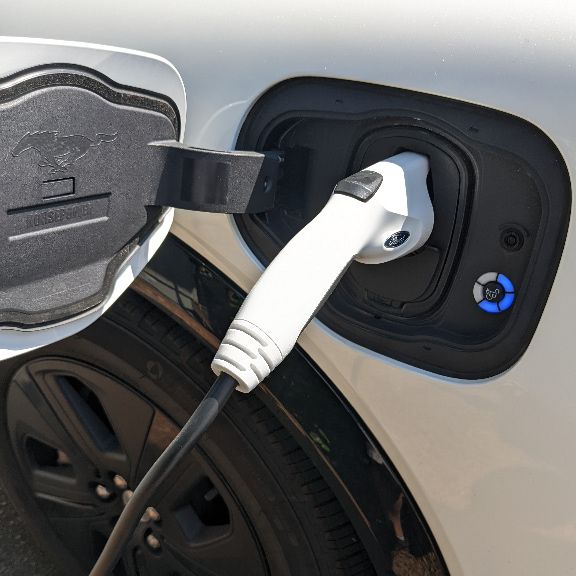
As EVs become increasingly popular, the demand for efficient and convenient charging infrastructure has grown exponentially. Our EV charging services provide a network of charging stations that cater to the needs of EV owners, enabling them to charge their vehicles at various locations, including public spaces, workplaces, and residential areas. Our services offer different charging options, such as fast charging and standard charging, allowing EV owners to choose the most suitable method based on their requirements. Our licensed electricians ensure every EV charger installation is completed safely and to code.
EV Charger Installation for Homes and Businesses

Residential EV Chargers
Enjoy convenient home charging with an EV charger installation sized and configured for your home and vehicle.
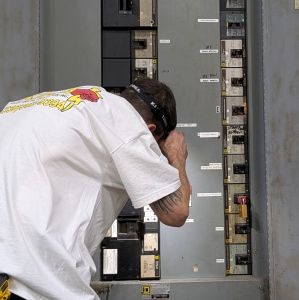
Commercial EV Chargers
Provide convenient, dependable EV charging for employees, customers, tenants, or your commercial property.
Power Your Future with Professional EV Charging Solutions
Are you ready to embrace the future of electric vehicles with EV charging stations? Look no further than King Electrical Services. We're your trusted local electrician in Greensboro, North Carolina, and the surrounding Triad, providing top-of-the-line, high-speed EV charging stations that will revolutionize your driving experience. Get ready to power up with convenience, efficiency, and unrivaled expertise.
Level 2 EV Charger Installation
Are you tired of waiting hours for your electric vehicle to charge using a standard outlet? A Level 2 EV charger installation can provide a faster and more convenient charging solution for your home. Unlike a standard 120-volt outlet, Level 2 chargers typically operate on a 240-volt circuit and can deliver significantly more power, allowing many electric vehicles to add miles of range in a fraction of the time.
King Electrical Services helps homeowners determine whether their electrical system can support a Level 2 charger and provides professional installation to ensure your charging setup is safe, reliable, and built to meet your vehicle's needs. Whether you drive your EV daily or simply want the convenience of charging at home, a properly installed Level 2 charger makes owning an electric vehicle easier and more practical.
How EV Charging Stations Work and the Installation Process
EV charging stations, also known as EV chargers or charging points, supply electric power to charge the battery of an electric vehicle. The charging process involves transferring electrical energy from the charging station to the EV’s battery for storage and later use.
Here’s a general overview of how EV charging stations work and the installation process:
Connection
The EV owner connects the charging cable from the electric charger for the car to the charging port on their electric vehicle. Depending on the charging station and the EV’s charging capabilities, the Connection may be made using a standard plug or a specialized connector.
Communication
Once the Connection is established, electric vehicle charging stations and the EVs communicate with each other to exchange information. This Communication ensures compatibility between the charging station and the EV, verifies the vehicle’s charging capabilities, and enables the charging session to begin.
Power Flow
After Communication, electric vehicle charging stations supply electric power to the EV’s onboard charger. The onboard charger converts the incoming AC (alternating current) power from the charging station into DC (direct current) power that can be stored in the EV’s battery.
Charging Modes
EV charging stations typically offer different charging modes or levels, which determine the charging speed and power output. The most common charging levels are:
- Level 1 Charging This uses a standard household electrical outlet (120 volts AC), providing the slowest charging speed. It is suitable for overnight charging or when a faster option is unavailable.
- Level 2 Charging This requires a dedicated charging unit and uses higher voltage (usually 240 volts AC) to deliver faster charging speeds. Level 2 charging is typical in residential homes, workplaces, and public charging stations. It can charge an EV significantly faster than Level 1 charging.
- DC Fast Charging (Level 3 Charging) DC fast-charging EV charging stations provide the fastest charging speeds available. They supply high-voltage DC power directly to the EV’s battery, bypassing the onboard charger. DC fast charging is typically found at public charging stations and can quickly charge an EV to a significant percentage.
Charging Session Monitoring
Electric vehicle charging stations monitor the charging session throughout the charging process, including the power flow, charging time, and potential issues. Some charging stations may offer real-time charging status updates, energy usage tracking, and remote monitoring capabilities for the EV owner’s convenience.
Charging Completion
Electric vehicle charging stations turn off the electricity after the EV’s battery reaches the set charge level or the session is manually terminated. The owner of an electric vehicle can then remove the cable from the car without risk. Remember that EV models may have different charging capabilities and require different charging infrastructures. In addition, new technologies and charging standards are constantly being implemented, causing the EV charging infrastructure to develop over time. Knowing the fundamentals of EV charging stations will assist electric vehicle drivers in having a smooth and efficient charging experience, whether they are doing it at home, at work, or in a public location.
Assessment and Planning
Determine the charging needs: Assess the demand for EV charging in the intended location, considering the number of EV owners, parking availability, and charging requirements. Site evaluation: Evaluate the site’s electrical infrastructure to ensure it can support the charging station’s power requirements. Consider factors such as electrical capacity, proximity to power sources, and any necessary upgrades. Permitting and regulations: Research and comply with local building codes, regulations, and permits for installing an EV charging station.
Charging Infrastructure Design
Determine the optimal placement and quantity of charging stations based on factors like parking layout, user convenience, and future expansion possibilities. Charging Network Considerations: Determine if the charging station will be part of a more extensive charging network or if it will be a standalone unit. User Experience: Consider user interface, payment systems, and accessibility features to enhance the user experience. Energy Management: Explore options for managing energy consumption, such as load balancing, demand response capabilities, and integration with renewable energy sources.
Design and Equipment Selection
Charging station type: Choose the appropriate one based on the charging needs identified during the assessment phase. Options include Level 1, Level 2, and DC fast charging stations. Charging capacity: Determine the charging power required based on factors such as the charging station’s expected usage, charging times, and the electrical capacity available at the site. Equipment selection: Select high-quality charging equipment from reputable manufacturers that align with the charging station’s requirements and compatibility with different electric vehicle models. Charging Station Features: Choose charging stations with features that align with the specific requirements, such as RFID authentication, mobile app integration, and monitoring capabilities. Compatibility: Ensure the selected charging stations are compatible with various electric vehicle models and charging standards, such as CHAdeMO, CCS, or Tesla Supercharger. Scalability: Consider the potential for future expansion and select charging stations that can accommodate increased charging demand.
Electrical Infrastructure Upgrades
Electrical capacity assessment: Determine if the existing electrical infrastructure can support the additional load of the EV charging station. This may involve consulting with an electrician or electrical engineer. Upgrades and installations: Make any necessary upgrades to electric vehicle charging stations, such as panel upgrades, circuit installations, and wiring adjustments, to accommodate the charging station’s power requirements. Load Analysis: Assess the existing electrical load and determine if any upgrades or modifications are needed to support the additional power requirements of the charging stations. Power Distribution: Plan for adequate power distribution to the charging stations, including considerations for distribution panels, transformers, and subpanels. Smart Metering: Install intelligent meters or energy monitoring systems to track electricity usage and billing for individual charging stations.
Installation
Physical installation: Install electric vehicle charging stations at the designated location, ensuring proper mounting, securing, and protection from environmental elements. Electrical connections: Connect the charging station to the electrical supply, following electrical codes and safety guidelines. This includes wiring connections, grounding, and ensuring proper voltage and current ratings. Electrical Wiring: Install the required electrical wiring from the electrical distribution system to each charging station location, ensuring compliance with electrical codes and safety guidelines. Mounting and Enclosure: Securely mount the charging stations and provide suitable enclosures to protect the equipment from weather conditions and vandalism. Networking and Communication: Establish network connectivity for the charging stations, enabling remote monitoring, software updates, and data collection for reporting and analysis.
Electrical Testing
Conduct thorough electrical testing to ensure the EV charging stations function correctly, including checks for proper voltage, current flow, and grounding. Compatibility testing: Test the charging station with different electric vehicle models to ensure proper Communication, charging initiation, and power delivery.
Establish a Maintenance Plan
Set up a regular maintenance schedule to ensure the charging station remains in optimal condition. This may include software updates, inspections, and repairs as necessary. User support and education: Provide information and support to EV owners using the charging station, including instructions on operating the equipment, troubleshooting steps, and contact information for assistance.
Ready to Install Your EV Charger?
Elevate your EV charging game with us. From lightning-fast high-speed charging stations to seamless indoor and outdoor projects, we’ve got your EV charging needs covered. Contact us today to get started on your EV charger installation with King Electrical Services.